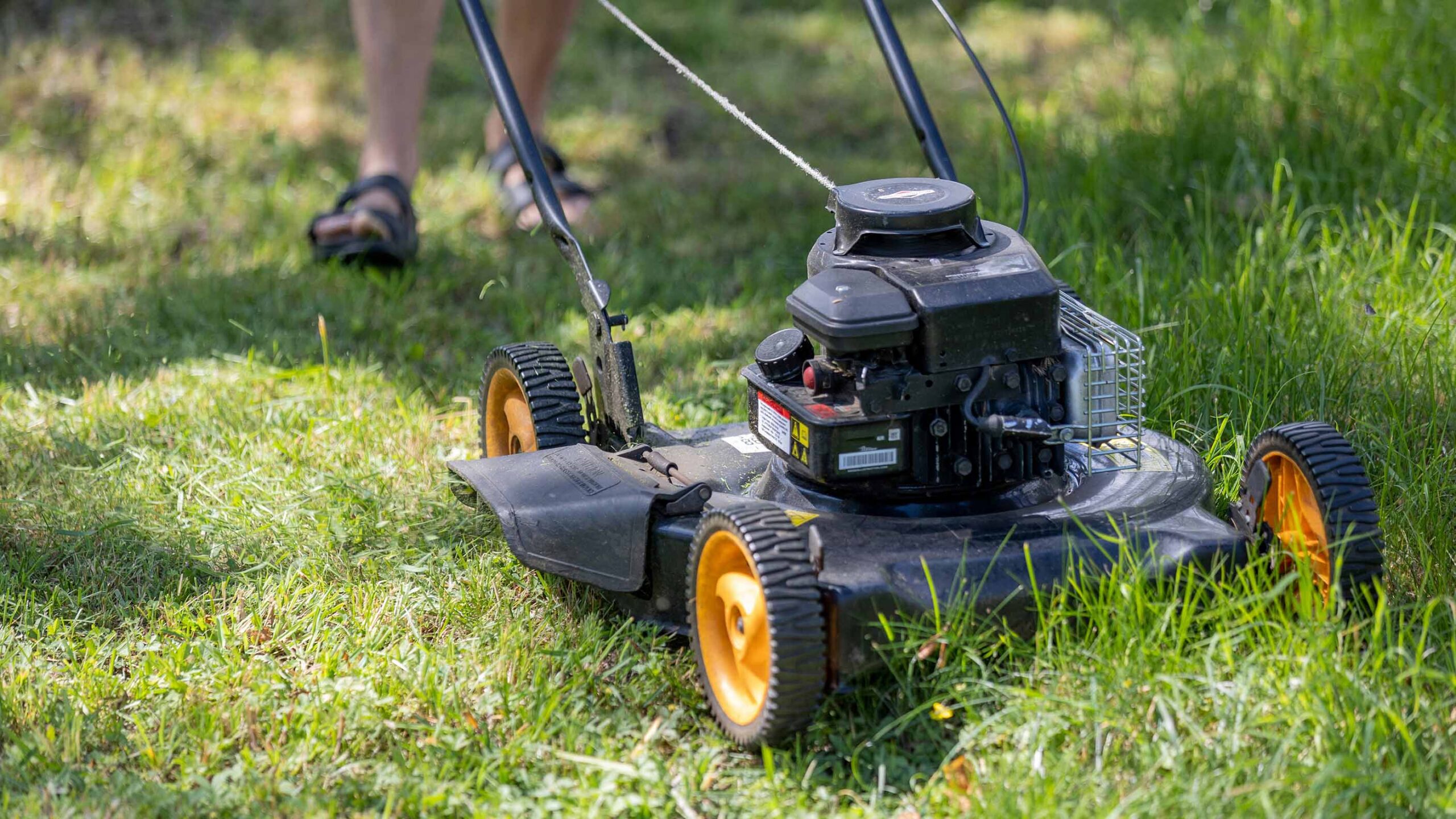
Seasonal lawn and yard work is a dependable, repeatable way for teenagers to earn meaningful money with a small upfront investment. Whether you offer leaf raking, basic weeding, garden cleanups, or edging and hedge-trimming support, most jobs require only a few inexpensive tools and a reliable attitude. This guide covers everything a teen needs to start: which tools to buy (all can be found on Amazon), how to price and package services, how to market yourself locally without spending a lot, and how to do the work efficiently and safely so clients come back every season.
You’ll get real examples, sample scripts to book jobs, a checklist for each visit, and product recommendations including at least one direct, highly-used purchase you can make immediately. Many of the recommended items keep your initial investment under $100, and you can reinvest early earnings to upgrade tools as you grow the business.
Why lawn & yard work is one of the best side hustles for teenagers
Lawn work ticks many boxes for a teen side hustle:
- Low barrier to entry: you don’t need certification or advanced training for basic jobs like raking, weeding, or basic cleanup.
- High local demand: homeowners frequently need seasonal help and prefer hiring local teenagers who are reliable and affordable.
- Scalable and recurring: many customers want repeat service (weekly mowing in summer, leaf removal in autumn), giving you steady income.
- Flexible hours: before school, after school, and weekend blocks work well for yard tasks.
Beyond dollars, you’ll build timeliness, customer service, and work-ethic skills—things employers and colleges value. If you price carefully and deliver consistent quality, word-of-mouth will grow your customer base quickly.
Tools & supplies: what to buy first (under $100)
Smart shopping matters. Invest in durable basics that save time and make your work look professional. Aim to spend under $100 initially, focusing on items you’ll use across many jobs.
Primary items to start with
- Durable garden gloves: Protect your hands and grip tools better. A widely-used, highly-reviewed option is the NoCry work gloves — they’re comfortable, tear-resistant, and suitable for most yard tasks. Example direct purchase: NoCry Work Gloves.
- Leaf rake (lightweight): Choose a sturdy but lightweight leaf rake for large areas; they make yard cleanup quick.
- Hand pruners / shears: For pruning small branches and trimming shrubs.
- Garden hand trowel: Useful for small planting or weeding jobs.
- Manual weed puller or weeding tool: Speeds up removing deep-rooted weeds.
Optional upgrades (later)
As you earn, consider adding a quality broom, a edging tool, or renting a mower (if you plan to offer mowing). But you can start and earn with the list above—many clients are happy to hire you for targeted jobs like leaf removal or seasonal cleanups rather than full lawn care.
How to price your services and create packages
Pricing should reflect local demand and the time required. Start conservatively to win first customers, then raise rates once you build testimonials. Common pricing approaches include hourly rates, per-job pricing, or packaged seasonal services.
Sample pricing guide (adjust to local market)
- Raking & bagging leaves — $25–$75 per job (depends on yard size and time)
- Weeding & bed cleanup — $20–$50 per hour
- Basic trimming/pruning (small shrubs) — $20–$45/hour
- Spring/fall yard cleanup (full-job price) — $75–$300 depending on property size
Offer bundled packages to increase average sale value. Examples:
- Autumn Leaf Package: rake, bag, and haul — flat rate for typical yard
- Weekly Yard Tidy: 1 hour/week for 4 weeks — subscription discount
- One-time Spring Refresh: weed beds + edge + remove debris
When estimating, be transparent: tell clients how long you expect the job to take and what’s included. If you need to dispose of heavy garden waste, clarify whether the homeowner will provide a yard waste bag or if you will include a disposal fee.
How to find clients and market locally (no ad budget required)
Local outreach and trust-building are the fastest ways to get recurring lawn work clients. Use multiple low-cost channels in parallel.
1. Door-to-door flyers (high ROI)
Design a simple one-page flyer with your name, services, hourly rate or starting price, a short list of services, and a parent contact number. Print 50–100 and distribute in nearby neighborhoods; homeowners with busy schedules appreciate a local, reliable teen helping with labor.
2. Neighborhood apps and groups
Post a short, professional message on Nextdoor, local Facebook groups, and community boards. Include a clean before/after photo (or a sample image), availability, and a clear call-to-action to book a free estimate or meet-and-greet.
3. Word of mouth & referrals
Ask satisfied customers for one short testimonial and a referral discount (e.g., 10% off one job if they refer a neighbor who books). A single repeat customer can easily cover the cost of your basic tools and pay for upgrades.
4. School & community channels
With school permission, post on community boards or in club newsletters. Local community centers and religious centers often welcome notices for teen services.
How to estimate job time and prepare a quote
Estimating conservatively avoids angry customers. When you visit a yard to quote, bring these questions or checklist items:
- Yard size and how many leaf/drifted areas.
- Amount of debris or branches to remove.
- Presence of steep slopes or hard-to-access areas.
- Whether homeowner wants you to bag/haul leaves or pile them at curb.
- Any special requests like edging, trimming, or mulching.
Use a simple rule of thumb: small yard = 1–2 hours, medium yard = 2–4 hours, large yard = 4+ hours. Multiply estimated hours by your hourly rate and add a small materials or disposal fee if needed. Always present the quote in writing (text or email) and confirm before starting.
Day-of-job workflow and quality checklist
Working efficiently matters. Use a consistent workflow to speed jobs and ensure quality.
Example 4-step workflow
- Arrival & setup (5–10 minutes): knock, introduce yourself, confirm scope, get key instructions.
- Primary work (major tasks first): rake & bag, weed beds, prune low branches.
- Detailing (edging, sweep paths, clear clippings from driveway/walkways).
- Final walk-through (5 minutes): show homeowner the result, remove tools, and confirm payment method.
Quality checklist: even edges, no visible clumps of leaves, trimmed twigs removed, pathways clear, and tools cleaned after the job. Small details matter and lead to repeat business and referrals.
Safety, etiquette, and customer service
Act professionally. Show up on time, wear gloves, and be polite. For safety, always use proper lifting technique (bend knees, keep back straight) when moving heavy bags or branches. If a job involves power equipment (mowers, leaf blowers) avoid using them unless you’re trained and a parent is supervising; many neighborhoods prefer teens to handle non-powered tasks.
If weather interferes, communicate proactively with the client and reschedule. Keep a parent or guardian informed when meeting new clients, and avoid taking jobs that require you to enter a stranger’s home alone.
Scaling up: turning a solo gig into a small business
After a few months of steady clients, growth options include:
- Hiring a friend or sibling for busy weekends and sharing profits.
- Purchasing a higher-quality rake or paid tools to reduce time-per-job.
- Offering add-on services like gutter cleanouts (if trained), mulching, or planting seasonal flowers.
- Setting a regular client route and offering discounted recurring pricing for predictability.
If you expand, track hours, materials, and income in a simple spreadsheet and keep receipts for tax purposes. Even small earnings should be recorded; parents can help file any required local tax forms or advise on small business registration if you grow significantly.
Seasonal strategies: when to push which services
Plan your calendar around the seasons to maximize bookings:
- Spring: cleanups, edging, early weed removal, planting small flower beds.
- Summer: maintenance, weekly/biweekly tidy-ups, small pruning.
- Autumn: leaf removal, gutter clearing (if trained), composting help.
- Winter: offer clearing of light snowfall (shoveling sidewalks) in some areas or equipment storage/cleanup services.
Useful scripts & templates
Use these simple, copy-paste templates to reach out to neighbors or respond to leads:
Flyer headline / Nextdoor post
Reliable Lawn & Yard Help — Hi, I’m [Your Name], a local high school student offering raking, weeding, and yard tidy-up. Affordable rates and references available. Text [phone] to schedule a free estimate.
Price estimate message
Thanks for contacting me! Based on your yard size, I estimate 2–3 hours for leaf removal and bagging. My rate is $25/hour, estimated total $50–$75. I can come by for a 5-minute check to confirm. — [Your Name]
Resources & references
For general gardening and yard-care basics, see the Wikipedia article on gardening: https://en.wikipedia.org/wiki/Gardening.